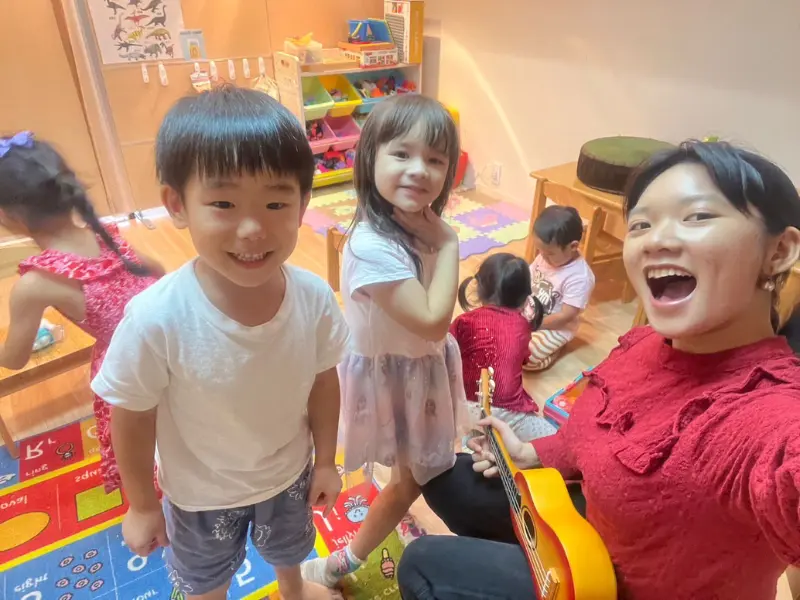
School days in Japan are often long, structured, and demanding. From early mornings to carefully scheduled lessons, children are immersed in environments that prioritise focus, discipline, and achievement. These values have helped build one of the world’s most respected education systems—but they also come with a quieter cost: fatigue, pressure, and emotional overload for many children.
After a full day of listening, following rules, and meeting expectations, children don’t just need supervision. They need space to breathe. Afterschool programs in Japan, when designed thoughtfully, become a vital bridge—helping children transition from academic intensity back into curiosity, creativity, and joy.
The Weight of the School Day
For many children, the school day requires constant self-regulation: sitting still, paying attention, responding correctly, and keeping emotions in check. Even children who enjoy school can feel mentally drained by the end of the day. For others—especially those who are sensitive, introverted, or learning in a second language—the pressure can be even heavier.
Yet children often don’t articulate this exhaustion. Instead, it may show up as irritability, withdrawal, resistance to homework, or sudden emotional outbursts at home. These behaviours are not signs of misbehaviour—they are signals that children need decompression, not more demands.
Why Afterschool Programs in Japan Matter So Much
The hours after school are a crucial emotional window. This is the time when children can either carry the stress of the day forward—or gently release it. Afterschool programs have the unique opportunity to shape this transition.
Unlike classrooms, afterschool spaces don’t need to rush. They can slow the pace, soften expectations, and allow children to shift gears. When children are welcomed into environments that feel safe, warm, and flexible, their nervous systems begin to settle. Only then can learning, connection, and joy naturally emerge.
Unwinding Is Not Wasted Time
In achievement-focused cultures, rest and play are sometimes misunderstood as “unproductive.” But for children, unwinding is essential. Activities like creative play, art, movement, storytelling, or collaborative games help children process their day emotionally.
These moments of release are where children reconnect with themselves. Laughter, imagination, and free expression allow stress to dissipate. When children are given permission to simply be—without being evaluated—they regain energy and emotional balance.
Far from being a distraction, this reset improves overall well-being and even supports better focus and engagement the next day.
Reconnecting With Joy Through Meaningful Engagement
The most effective afterschool programs don’t swing to extremes. They don’t replicate the pressure of school—but they also don’t leave children unanchored. Instead, they offer gentle structure paired with freedom.
Children might choose activities that interest them, collaborate with peers, or explore ideas creatively. Learning still happens—but it feels different. It’s driven by curiosity, not obligation. This shift helps children remember that learning can be enjoyable, playful, and deeply satisfying.
When children associate learning with positive emotions, their motivation becomes internal. They participate because they want to—not because they have to.
Emotional Safety Comes First
Joy doesn’t flourish in tense environments. Afterschool programs that prioritise emotional safety allow children to express feelings openly, make mistakes without fear, and connect authentically with peers and facilitators.
These spaces help children build emotional awareness and regulation. They learn how to handle frustration during a game, navigate small conflicts, or express excitement without restraint. These everyday moments quietly strengthen resilience and social confidence.
For working parents, this emotional support is invaluable. Knowing that their child is not only supervised but genuinely cared for offers reassurance and trust.
Why This Balance Is Essential and How Afterschool Programs in Japan Provide It
As academic expectations remain high and family schedules grow busier, afterschool programs are no longer optional extras. They are essential environments that protect childhood joy while supporting healthy development.
Children need places where they are valued beyond performance—where their laughter matters as much as their progress. Afterschool programs can be the emotional counterbalance to structured school days, ensuring that children grow not only into capable students, but into happy, confident individuals.
The Mirai Minds Approach
At Mirai Minds, we see afterschool time as an opportunity to restore balance. Our programs are designed to help children unwind, reset, and reconnect—with themselves, with others, and with the joy of learning.
Through creative exploration, collaborative activities, and emotionally supportive facilitation, we create spaces where children feel relaxed yet engaged, free yet guided. We honour the demands children face at school while giving them what they need most after it: understanding, expression, and joy.
If you’re looking for an afterschool program in Japan that supports your child’s emotional well-being as much as their learning, explore Mirai Minds. Let’s build a bridge between school pressure and childhood joy—together. Get in touch with us today.