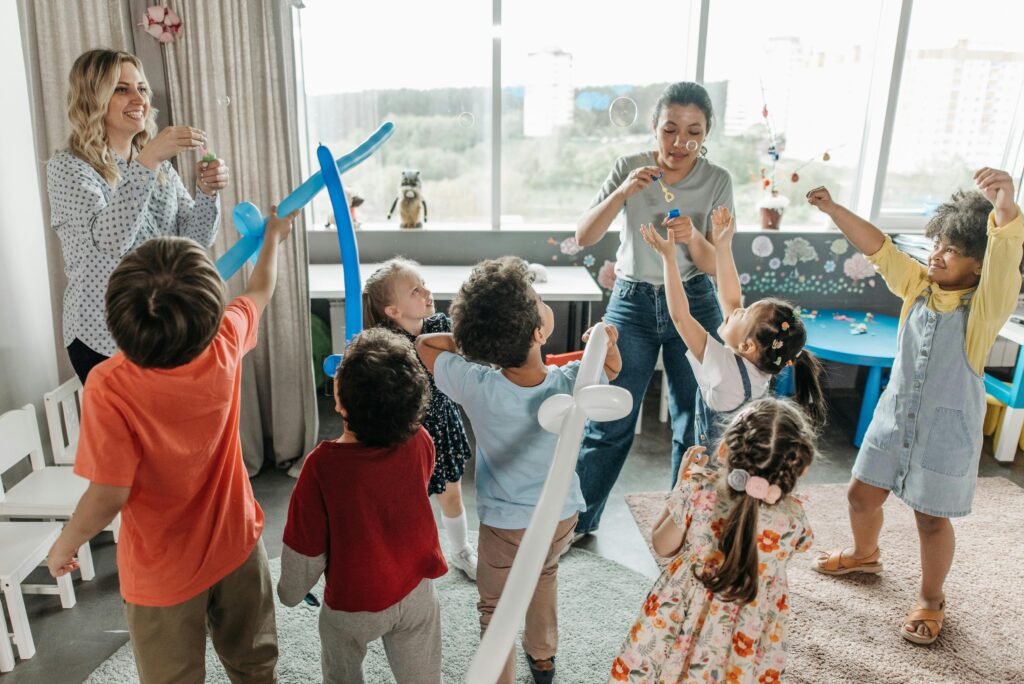
For many children, learning begins with curiosity—but somewhere along the way, it can turn into obligation. Timetables replace wonder, grades replace questions, and the joy of discovery is often overshadowed by performance pressure. This shift is especially visible in academically driven systems like those in Japan, where structure and achievement are deeply valued. While this approach builds strong foundations, it can sometimes leave little room for one essential ingredient of lifelong learning: curiosity.
Afterschool programs play a powerful role in bridging this gap. When designed intentionally, they help children move from passive absorption to active exploration—reshaping how they relate to learning itself.
Why Curiosity Matters More Than Ever
Curiosity is not just a personality trait; it is a learning engine. Educational psychology consistently shows that children who are curious are more engaged, retain information longer, and develop deeper understanding. Curiosity-driven learners don’t ask, “Will this be on the test?”—they ask, “Why does this work?” or “What happens if I try something else?”
However, curiosity doesn’t thrive under constant evaluation. In traditional classrooms, limited time, large groups, and curriculum demands often prioritise correct answers over meaningful questions. Children may learn what to think, but not always how to think.
This is where afterschool programs can make a transformational difference.
Afterschool Programs That Go From Instruction to Exploration
Unlike classrooms, afterschool environments are not bound by strict academic outcomes. This freedom allows learning to become experiential rather than instructional. Instead of being told information, children are invited to explore ideas through hands-on activities, open-ended challenges, storytelling, experiments, and collaborative projects.
When children engage in curiosity-led activities, learning becomes personal. A science concept explored through building and testing, or a language skill developed through storytelling and role-play, feels relevant and exciting. Children begin to associate learning with discovery rather than pressure.
Over time, this shift changes their internal motivation. They learn because they want to know—not because they are told they must.
Changing the Emotional Relationship With Learning
One of the most profound impacts of curiosity-led afterschool programs is emotional. Many children carry anxiety around academics—fear of being wrong, fear of falling behind, fear of disappointing adults. These emotions can quietly erode confidence and willingness to try.
Curiosity-based environments soften this fear. When there is no single “right” answer, mistakes become part of the process rather than something to avoid. Children feel safe to experiment, ask questions, and express ideas without judgment.
This emotional safety rebuilds trust in learning. Children who once hesitated to participate often begin to engage more freely—not only in afterschool spaces, but also back in the classroom.
Curiosity Builds Independent Thinkers
Curiosity-led learning also nurtures independence. Instead of waiting for instructions, children learn to initiate, explore, and problem-solve. They begin making choices: how to approach a task, which materials to use, how to collaborate with peers.
These experiences develop critical thinking and self-direction—skills that are increasingly essential in a rapidly changing world. When children are encouraged to follow their questions, they learn how to learn. This meta-skill is far more valuable than memorising information that may soon become outdated.
Afterschool Programs as a Reset Button
For many children, afterschool programs act as a reset after a long school day. Rather than extending classroom fatigue, they offer a change in pace and tone. Learning feels lighter, more human, and more connected to real life.
This balance is particularly important for children who may feel disengaged or overwhelmed by academics. Afterschool spaces can rekindle their interest in learning—often by starting with what already excites them and gently expanding from there.
When curiosity is nurtured consistently, children carry that mindset into other areas of life. They become more observant, more reflective, and more open to new experiences.
Why This Matters for the Future
The future will demand adaptability, creativity, and continuous learning. Children who associate learning with curiosity rather than fear are better prepared to navigate change. They are more likely to take initiative, ask thoughtful questions, and engage deeply with the world around them.
Afterschool programs that prioritise curiosity are not replacing academics—they are strengthening them by restoring the joy that makes learning sustainable.
The Mirai Minds Philosophy for Afterschool Programs
At Mirai Minds, we believe that curiosity is the foundation of meaningful learning. Our afterschool programs are designed to move children beyond rote instruction and into exploration—where questions are welcomed, creativity is encouraged, and every child’s interests are respected.
Through curiosity-led workshops, collaborative activities, and reflective learning experiences, we help children build a positive, confident relationship with learning—one that lasts far beyond the classroom.
If you want your child to rediscover the joy of learning, explore Mirai Minds’ afterschool programs. Let’s move from classrooms to curiosity—and help children fall in love with learning again. Get in touch with us today.