When parents hear “robotics” they picture coding. Programming is one part of it. A strong program teaches a child to build, to test, to fail in public and to explain what they did. Here is what to look for.
Building comes before coding
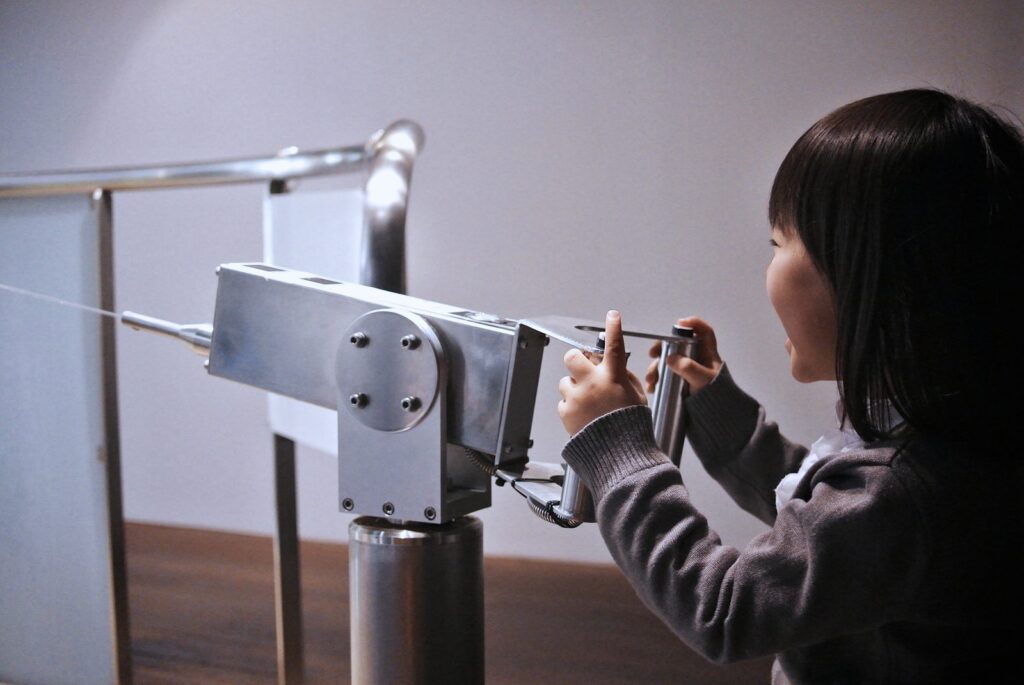
A robot that does not move is a physics problem first: weight, balance, friction, gears. Children who spend the first sessions with motors, axles and cardboard understand later why their code did not work. Programs that start on a screen skip the part where the learning is most physical and most memorable.
Failure is the curriculum
A robotics session where every robot works first time was too easy. The value is in the loop: it did not turn, why, change one thing, try again. Ask a program how many attempts a typical build takes. If the answer is one, the teacher is doing the thinking.
Small groups, real tools
Eight to twelve children, two or three to a robot, so every child gets their hands on it. Real sensors and real motors, not a demonstration at the front. The teacher circulates and asks questions rather than answering them.
Explaining the build is part of the build
At the end of a session, each group stands up and says what their robot does and what they changed. That minute of speaking is where confidence and communication are built, and it is why our robotics sessions look a lot like our language ones.
What to ask a program in Tokyo
- How many children per robot, and per teacher?
- Do children build the hardware or only program a finished kit?
- What happens in a session when nothing works?
- Do children present their work to each other?
- Is there a trial lesson so your child can find out whether it is for them?
Mirai Minds runs robotics and STEM sessions inside partner schools across Tokyo and in our own weekly programs. Every one starts with a trial lesson. Browse the programs page and filter by age to find one that fits.