In today’s fast-paced world, academic achievement often comes measured in grades, worksheets, and test scores. While traditional homework has its place, research increasingly shows that children retain knowledge more effectively when they learn by doing. Hands-on learning—where children actively explore, experiment, and create—offers deeper engagement and long-lasting understanding.
In Tokyo, creative workshops are transforming the afterschool landscape by emphasizing active learning experiences that ignite curiosity, build skills, and foster confidence.
The Difference Between Passive and Active Hands-On Learning
Passive Learning
Passive learning typically involves reading, listening to lectures, or copying notes from a textbook. While these methods help children absorb information, they often fail to engage imagination, critical thinking, or problem-solving skills. Children may remember facts temporarily for tests, but this knowledge is less likely to translate into practical understanding or creativity.
Active (Hands-On) Learning
Hands-on learning, by contrast, places children at the center of their own education. When children are encouraged to build, test, and solve real-world problems, they engage multiple senses and cognitive processes. This active approach enhances memory retention, stimulates creativity, and develops problem-solving abilities. Children also gain a sense of ownership over their learning, which fosters curiosity, persistence, and intrinsic motivation.
Examples of Hands-On Learning Activities
Hands-on workshops often include activities that are both educational and fun, giving children the opportunity to experiment while learning. Some common examples include:
- Building Mini-Structures or Models: Children learn basic engineering principles, spatial reasoning, and design thinking.
- Science Experiments: Simple experiments teach cause-and-effect relationships while encouraging scientific curiosity.
- Storytelling Games: Activities that involve creating and acting out stories enhance imagination, communication, and narrative thinking.
- Collaborative Design Challenges: Group projects encourage teamwork, creative problem-solving, and negotiation skills.
These activities go beyond rote memorization, encouraging children to think independently and approach challenges with creativity and flexibility.
Benefits Beyond Academics
Confidence Building
Completing a hands-on project instills a sense of accomplishment. Children learn that they can create, experiment, and solve problems on their own, which strengthens self-esteem and motivates further exploration.
Problem-Solving Skills
Hands-on activities naturally involve trial and error. When projects don’t go as planned, children learn to adjust strategies, test hypotheses, and find alternative solutions. This iterative process nurtures resilience and practical problem-solving skills.
Collaboration
Many hands-on tasks are group-based, teaching children how to communicate ideas, share responsibilities, and empathize with peers. Learning to work together effectively is a key skill for school, social situations, and future workplaces.
Why Tokyo Parents Are Embracing Hands-On Learning
In Tokyo’s highly competitive academic environment, parents want their children to excel in school while developing skills that go beyond textbooks. Hands-on workshops provide a perfect balance: children engage in meaningful learning experiences that foster creativity, adaptability, and resilience. Unlike traditional homework, which often focuses on repetition, hands-on learning cultivates both intellectual growth and emotional intelligence.
Mirai Minds’ Approach
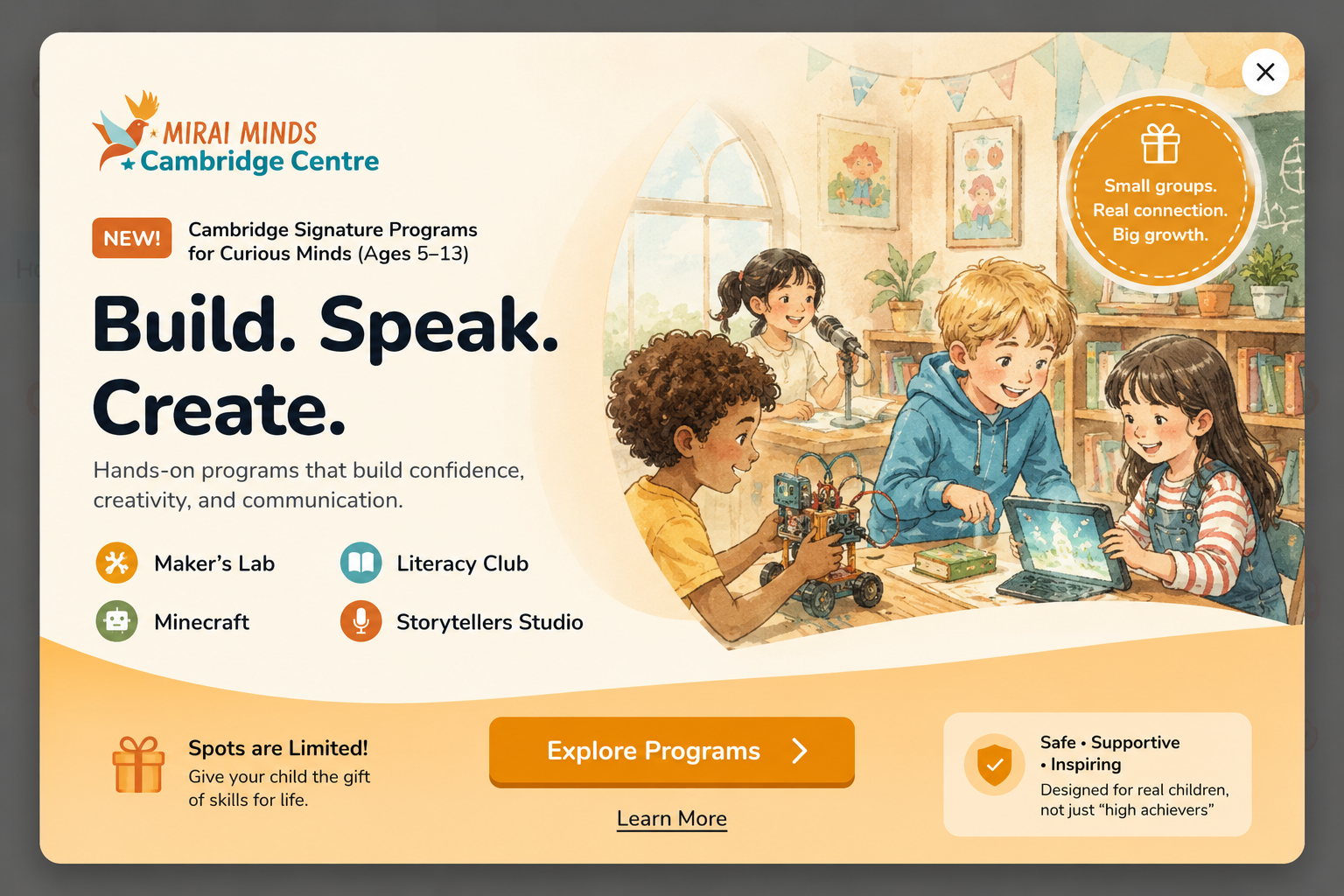
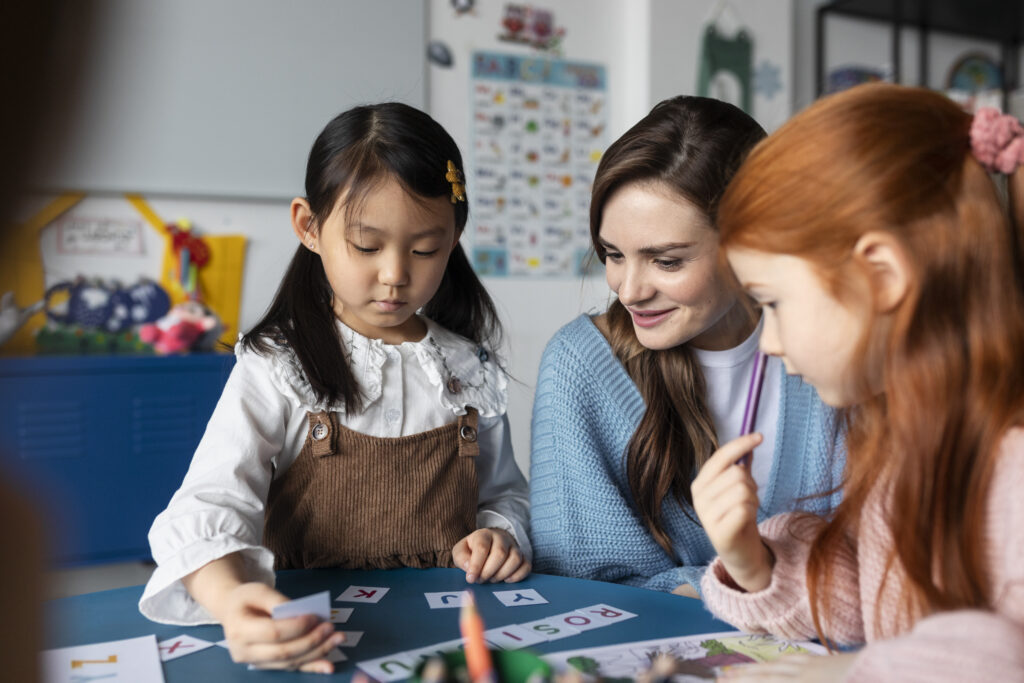
At Mirai Minds, hands-on learning is at the heart of every workshop. Children are encouraged to experiment with materials, design projects, and tackle challenges in a supportive, engaging environment. Small-group sessions ensure that every child receives personalized attention, while trained educators guide the learning process without dominating it.
Activities are designed to integrate critical thinking, collaboration, and creativity naturally. Additionally, English-friendly instruction provides children with a global edge, enhancing language skills while they explore, innovate, and play.
Hands-on learning prepares children for life, not just exams. By allowing children to explore, experiment, and create, workshops foster creativity, confidence, problem-solving abilities, and teamwork skills. In Tokyo, Mirai Minds offers a holistic afterschool experience that balances fun, learning, and personal growth.
Enroll your child in a trial workshop at Mirai Minds today and watch them thrive through creativity, play, and hands-on learning. Give your child the opportunity to learn by doing, and help them build skills that will last a lifetime.