Big emotions are a natural part of childhood. Frustration after a long school day, excitement that spills over into restlessness, disappointment when things don’t go as planned—children experience these feelings intensely, often before they have the tools to manage them. Emotional regulation isn’t something children are born knowing how to do. It’s a learned skill, shaped gradually through experience, guidance, and safety.
In fast-paced, high-expectation environments like Japan, children are often expected to regulate their emotions early—sit still, follow rules, stay focused, and adapt quickly. While these expectations build discipline, they can also leave children holding in stress throughout the school day. Afterschool programs play a crucial role in helping children release, understand, and regulate those emotions in healthy ways.
What Is Emotional Regulation—and Why Does It Matter?
Emotional regulation refers to a child’s ability to recognise emotions, manage their intensity, and respond appropriately to different situations. It affects everything—from attention and learning to friendships and self-esteem.
Children who struggle with emotional regulation may experience frequent meltdowns, withdrawal, anxiety, or difficulty concentrating. This doesn’t mean something is “wrong.” It simply means they haven’t yet had enough opportunities to practise managing emotions with supportive adults.
And practice is exactly what afterschool programs provide.
Why Afterschool Programs are Ideal for Emotional Regulation
The hours after school are a transition period. Children are tired, overstimulated, and often emotionally full after meeting expectations all day. This is when emotions surface—sometimes loudly, sometimes quietly.
Afterschool environments sit at a powerful intersection: they are structured enough to feel safe, yet relaxed enough to allow emotional expression. Unlike classrooms, they are not driven by grades or rigid outcomes. This creates the emotional conditions children need to learn regulation rather than suppression.
The Role of Consistent Routines
Predictability is calming for children. Afterschool programs that follow consistent routines—arrival rituals, snack time, activity blocks, reflection or wind-down time—help children feel secure.
When children know what comes next, their nervous systems settle. This sense of safety reduces emotional overwhelm and makes it easier for children to engage, communicate, and self-regulate. Over time, children internalise these rhythms and learn to transition between activities with greater ease.
Creative Expression as Emotional Release
Not all emotions can—or should—be talked through immediately. Creative expression offers children alternative ways to process what they’re feeling.
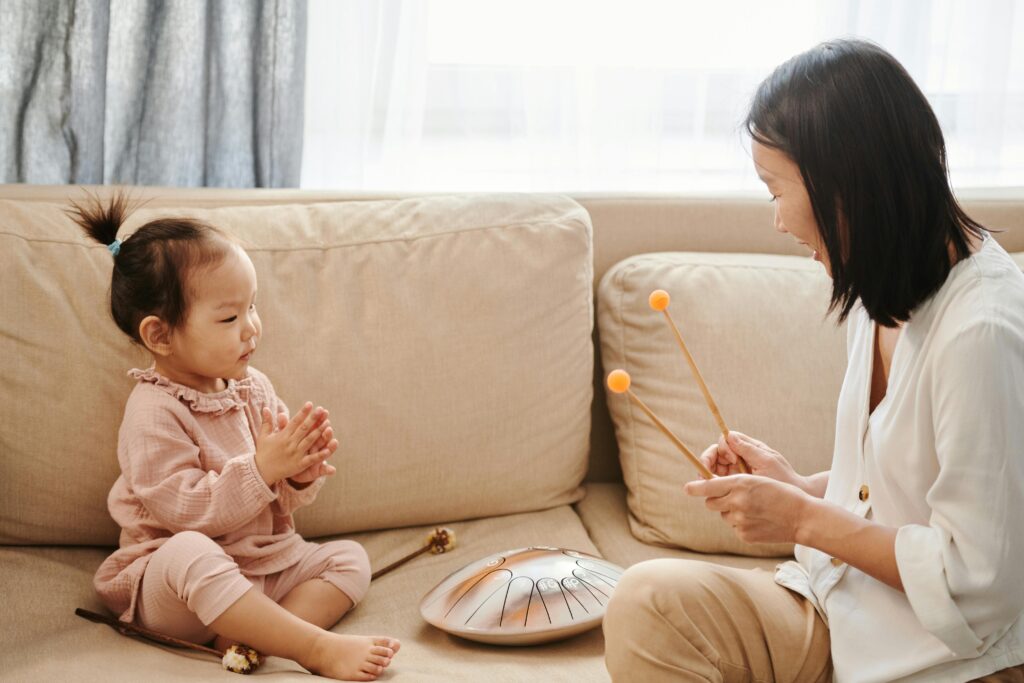
Art, movement, storytelling, music, and imaginative play allow children to release pent-up emotions without needing the “right words.” A child who struggles to articulate frustration might express it through drawing. Another might release stress through movement or role-play.
Research in child development consistently shows that creative activities support emotional awareness and regulation by helping children externalise feelings in safe, constructive ways. Afterschool programs that prioritise creativity give children permission to feel—and tools to cope.
Safe Adult Guidance Makes the Difference
Perhaps the most critical element of emotional regulation is the presence of attuned, consistent adults. Afterschool facilitators have a unique opportunity: they see children when they are less guarded than at school, and often more expressive than at home.
When adults respond calmly to emotional moments—acknowledging feelings, setting clear but compassionate boundaries, and modelling regulation—children learn by example. They begin to understand that emotions are manageable, not something to fear or hide.
These everyday interactions—resolving a conflict during a game, handling disappointment, celebrating effort—are where emotional intelligence is quietly built.
Long-Term Impact Beyond Afterschool Programs
Emotional regulation skills equip children to handle academic challenges, build healthy relationships, and navigate stress as they grow. They are more resilient, more confident, and more capable of self-advocacy.
Afterschool programs don’t replace parents or schools—but they complement both by offering consistent, emotionally supportive environments during a critical part of the day.
The Mirai Minds Approach
At Mirai Minds, emotional well-being is at the heart of our afterschool programs. We intentionally design routines that feel safe, activities that encourage expression, and learning spaces guided by empathetic adults who understand child development.
Through creative exploration, collaborative play, and mindful facilitation, we help children recognise emotions, manage stress, and build regulation skills that support them in school—and in life.
If you’re looking for an afterschool program that supports your child’s emotional growth as much as their learning, explore Mirai Minds. Let’s help children build calm, confidence, and resilience—one afternoon at a time.