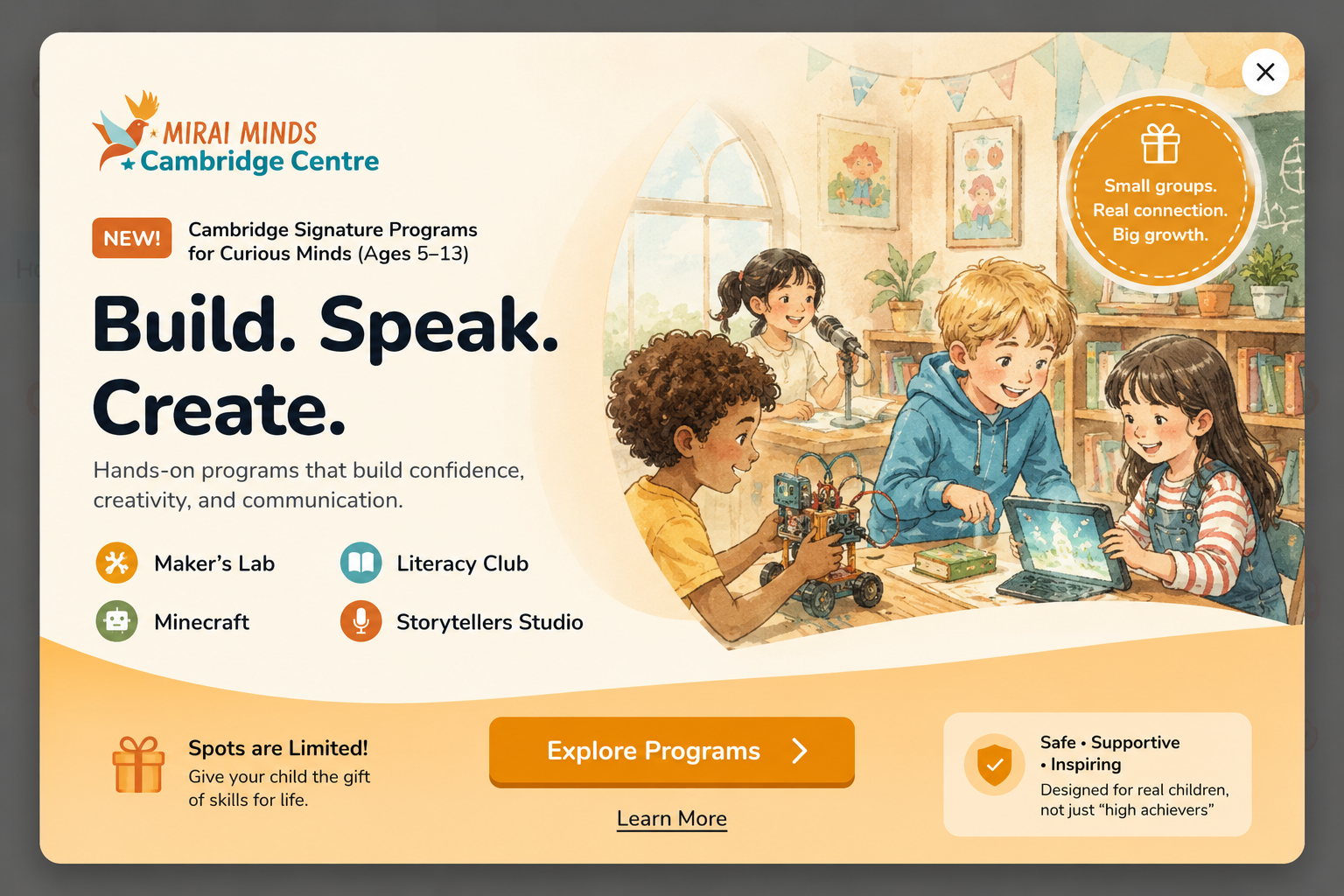
One of the most common questions parents ask is: At what age should children start afterschool programs? It’s a thoughtful question—and an important one. In a world where enrichment options are everywhere, it’s easy to feel pressure to start early or do more.
The truth is, there’s no universal “right age.” Children grow at different paces, and what benefits one child may overwhelm another. Instead of focusing on age alone, it helps to look at developmental readiness, emotional maturity, and your child’s individual temperament.
When afterschool programs align with where a child truly is—not where we think they should be—they become supportive rather than stressful.
Early Childhood (Ages 4–6): Exploration Over Instruction
For younger children, afterschool programs should feel like a natural extension of play—not a continuation of school. At this age, children learn best through movement, imagination, and sensory experiences.
They benefit most from programs that include:
- Storytelling, music, movement, and creative play
- Social interaction in small, gentle group settings
- Opportunities for emotional expression through art and play
- Predictable routines paired with flexibility
Short, engaging sessions that spark curiosity are far more effective than long, rigid, or academically driven formats. At this stage, the goal isn’t skill mastery—it’s helping children feel safe, confident, and curious in new environments.
When afterschool feels joyful, children begin to associate learning with pleasure rather than pressure.
Primary Years (Ages 6–9): Building Confidence and Core Skills
The early primary years are often an ideal time to introduce more structured afterschool programs—when done thoughtfully. Children at this stage begin to:
- Develop a stronger sense of independence
- Enjoy collaborative and group-based activities
- Show curiosity about how things work
- Take pride in learning new skills
Afterschool programs for this age group can support:
- Social confidence and peer relationships
- Creative thinking and imagination
- Language, communication, and self-expression
- Problem-solving and emotional regulation
What matters most is the tone of the environment. Programs should remain nurturing and encouraging, not competitive or performance-focused. Children thrive when effort is celebrated, mistakes are normalised, and learning feels safe.
Older Children (Ages 9–12): Ownership of Learning
As children grow older, their relationship with learning begins to change. They want deeper engagement and greater autonomy. At this stage, children often ask:
- Why am I learning this?
- How does this connect to real life?
- Can I have a say in what I create or explore?
Effective afterschool programs for this age group focus on:
- Project-based and inquiry-led learning
- Leadership opportunities and teamwork
- Critical thinking, reflection, and self-expression
- Confidence in communication and decision-making
This is also a crucial period for building self-awareness and global perspectives—especially for children growing up in multicultural environments like Japan. Programs that encourage empathy, collaboration, and cultural understanding can have a lasting impact during these years.
Signs Your Child Is Ready for Afterschool Programs
While age provides a general guideline, readiness is far more individual. Your child may be ready for an afterschool program if they:
- Can manage transitions after the school day with relative ease
- Show curiosity or interest beyond academic work
- Enjoy interacting with peers in small groups
- Feel emotionally comfortable separating from familiar caregivers
- Are open to trying new experiences
Equally important is noticing signs of not being ready—frequent resistance, fatigue, or emotional overwhelm are signals worth listening to. Your child’s cues matter just as much as any developmental milestone.
A Developmentally Thoughtful Approach
At Mirai Minds, we believe afterschool programs should grow with the child. Our programs are designed around how children naturally develop—not around rigid expectations or timelines.
Our educators thoughtfully adapt activities based on:
- Emotional readiness and confidence levels
- Energy and attention spans after school
- Individual learning styles and interests
This flexible, child-centred approach ensures that children feel supported, capable, and engaged—no matter their starting point.
If you’re unsure when or how to begin afterschool programs for your child, Mirai Minds offers age-appropriate classes that evolve with your child’s needs—creating a balanced, joyful, and meaningful afterschool experience.
Click here to apply to our programs!