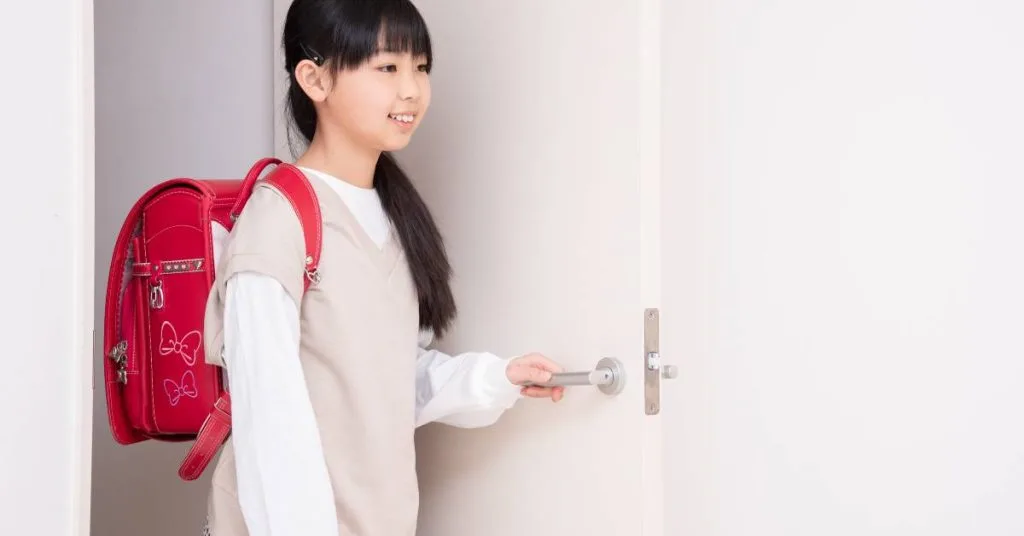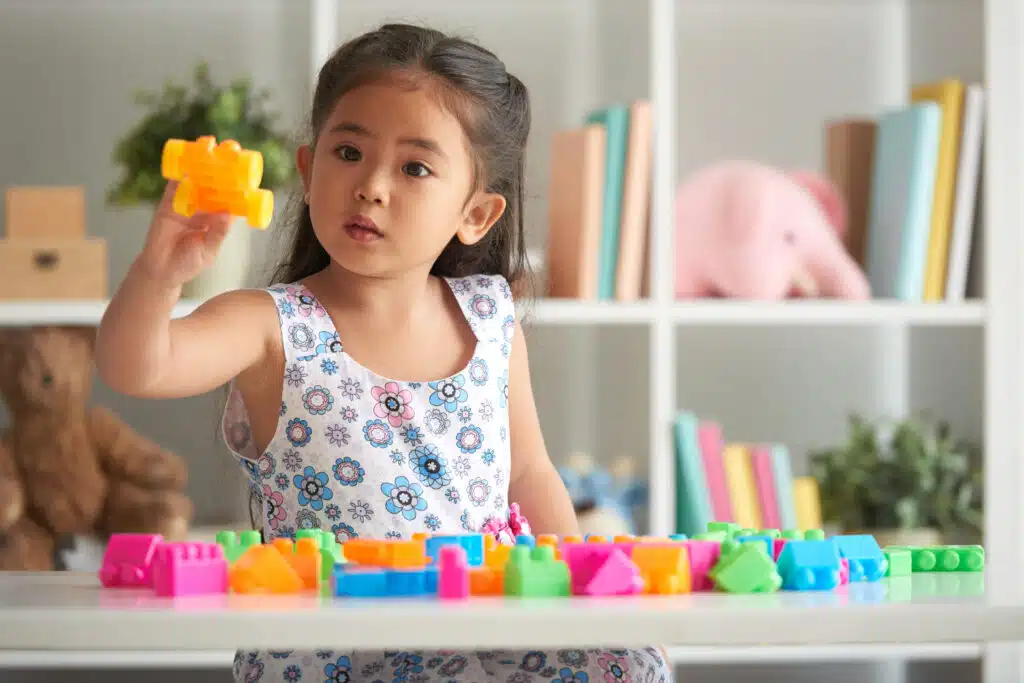
For many parents, especially those raising children in Japan, balancing school and afterschool activities can feel overwhelming. School days are already highly structured, focused, and demanding. Between long hours, academic expectations, and social navigation, children put in a lot of emotional and mental effort during the school day.
So when the school bell rings, an important question arises: What does my child truly need next?
More learning? More structure? Or something that feels lighter, safer, and more child-led?
The answer often lies not in doing more, but in doing what’s meaningful.
Why Balance Is So Important
Children thrive on routine, it gives them predictability and security. But they also need space to rest, process their experiences, and explore at their own pace. Afterschool activities can absolutely support learning and development, but when a child’s schedule is overloaded, the benefits can quickly turn into pressure.
An unbalanced routine may lead to:
- Chronic tiredness and burnout
- Emotional dysregulation and frequent meltdowns
- Resistance to learning or structured activities
- Loss of intrinsic motivation and curiosity
On the other hand, balanced afterschool activities help children:
- Decompress after a long school day
- Explore interests without academic pressure
- Build social and emotional skills naturally
- Develop confidence, independence, and self-awareness
When children feel supported rather than rushed, learning becomes joyful instead of forced, and growth happens organically.
Understanding Your Child’s Energy Levels
Every child experiences school differently. Some children walk out of the classroom energised, chatty, and eager to engage. Others feel mentally and emotionally drained and need time to slow down before transitioning into anything new.
As parents, the key is observation rather than comparison. Ask yourself:
- How does my child behave after school: energised, withdrawn, irritable, calm?
- Do they look forward to their afterschool activity, or do they resist it?
- Do they still have time and energy for free play, rest, and family connection?
A healthy afterschool schedule should add to your child’s wellbeing, not compete with it. If an activity consistently leads to stress or overwhelm, it’s worth reassessing, even if it looks “good on paper.”
Quality Over Quantity
A few, meaningful afterschool activities for children are often far more impactful than several rushed activities squeezed into a week. Children benefit most from environments where they feel emotionally safe, seen, and genuinely engaged.
When choosing afterschool programs, parents may want to look for:
- Experiential and play-based learning rather than worksheet-driven instruction
- Small group settings where children receive individual attention
- Educators who understand child development, not just skill outcomes
- Flexibility that respects a child’s mood, pace, and personality
In Japan, many families are now consciously moving away from purely academic afterschool options. There is a growing desire for programs that balance structure with creativity, programs that support the whole child, not just test scores or milestones.
Rethinking What Success Looks Like
Success doesn’t come from filling every hour with instruction or enrichment. True success comes from allowing children to explore, make mistakes, reflect, and grow at their own pace.
Afterschool activities for children should nurture:
- Curiosity over performance
- Confidence over comparison
- Empathy and communication alongside skills
- Self-expression, imagination, and problem-solving
When children are given space to be themselves, they build a stronger foundation for lifelong learning, not just short-term achievement.
How Mirai Minds Supports Balance Through Afterschool Activities for Children
At Mirai Minds, our afterschool programs are intentionally designed to complement school life, not replicate it. We recognise that children are already working hard during the day, and our role is to support them in a way that feels grounding and joyful.
Our approach focuses on:
- Gentle transitions after school, helping children settle and feel safe
- Confidence-building activities that encourage participation without pressure
- Creative, hands-on learning that sparks curiosity and engagement
- Small batches where every child is noticed, heard, and supported
This balance allows children to stay engaged without feeling overstimulated, helping them build skills while also honouring their emotional needs.
Finding the Right Balance as a Family
Balancing school and afterschool activities isn’t a one-time decision, it’s an ongoing conversation. Children grow, their needs change, and what works one term may need adjustment the next.
Check in with your child regularly. Listen to what their behaviour is telling you. Be open to slowing down when needed. Remember that rest, play, and connection are not “extras”, they are essential parts of healthy development.
If you’re looking for an afterschool activities for children in Japan that prioritises balance, emotional wellbeing, and joyful learning, explore Mirai Minds’ thoughtfully designed afterschool classes, created with children’s real needs at heart.