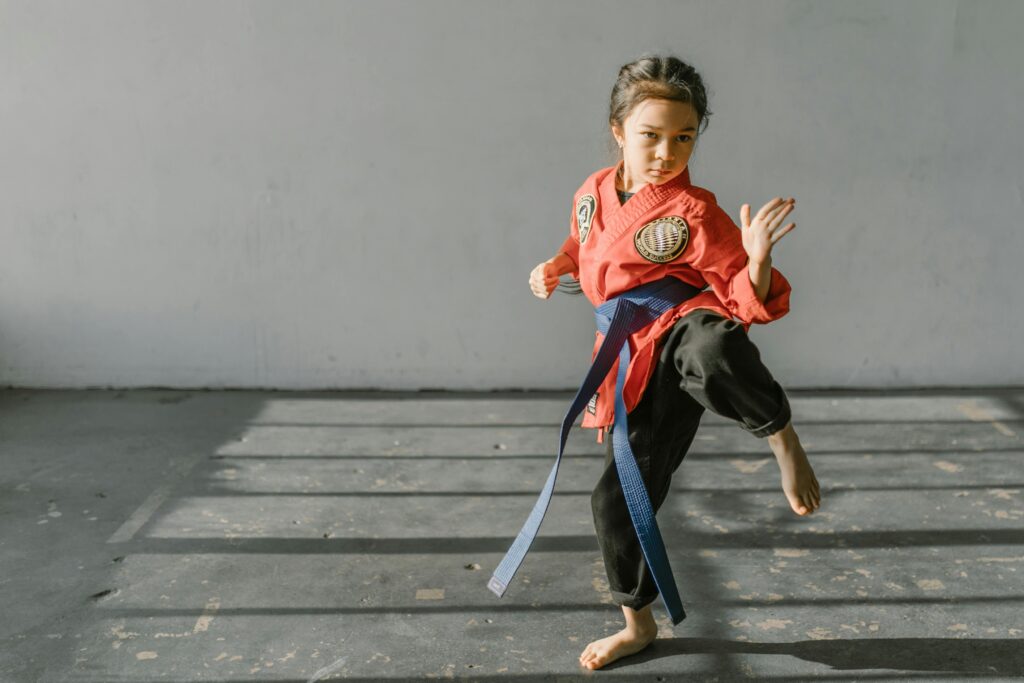
Imagine your child on the soccer field. Their team is losing. The clock is ticking. Some kids look ready to give up, but yours takes a deep breath, rallies the team, and keeps playing until the final whistle. They may not win, but they walk off the field smiling, already planning how to improve next time.
That is resilience in action — the ability to bounce back, adapt, and grow stronger from challenges. In a world where tomorrow’s problems are unpredictable, parenting for resilience has never been more important.
Why Resilience Matters
Resilience is more than simply “toughing it out.” It is a set of skills and attitudes that help children handle disappointment, stress, and setbacks without losing hope. Kids with strong resilience skills are better able to manage their emotions, solve problems creatively, and keep trying when things get hard.
Research shows that resilient children are less likely to struggle with anxiety and more likely to thrive academically, socially, and emotionally. In other words, building resilience is one of the most powerful gifts parents can give their kids.
Parenting for Resilience: What It Really Means
Parenting for resilience isn’t about shielding children from failure. In fact, it is about doing the opposite: giving them safe opportunities to fail, struggle, and learn.
It means letting them figure out how to solve a puzzle on their own before jumping in to help. And encouraging them to try again after a lost match or a bad grade. It means guiding them through big feelings — frustration, anger, disappointment — and showing them healthy ways to cope.
Children learn resilience by experiencing challenges and realizing they can recover, adapt, and keep moving forward.
Practical Ways to Build Resilience in Kids
- Model a growth mindset: Show kids that mistakes are part of learning. Talk about your own challenges and how you overcame them.
- Encourage problem solving: Ask “What could you try next?” instead of giving the solution right away.
- Teach emotional regulation: Help them name their feelings and practice calming strategies like breathing or journaling.
- Celebrate effort, not just results: Praise perseverance and creativity, not only wins or grades.
- Create a safe base: Let kids know they are loved unconditionally. A secure foundation gives them courage to take risks.
These habits build resilient kids who are better equipped to face tomorrow’s uncertainty.
Resilience Prepares Kids for Tomorrow’s Challenges
The world your kids will grow up in will demand more than just academic success. They will need to think critically, work well with others, and handle change without losing their balance. Parenting for resilience is about preparing children for real life — not a perfect one, but a world where they will fall, get back up, and keep going.
Resilience is not something kids are born with. It is something that can be nurtured, day by day, through intentional parenting and supportive environments.
Partner with Mirai Minds to Build Resilience
At Mirai Minds, we believe resilience is one of the most important 21st-century skills children can develop. Our programs help kids practice problem solving, teamwork, emotional intelligence, and creative thinking — all essential pieces of resilience.
If you want to raise children who can thrive through change, adapt to challenges, and grow into confident problem-solvers, partner with Mirai Minds.
Connect with us today to learn how our workshops and learning experiences can help your child build resilience for tomorrow’s world.
Sources:
- Harvard University Center on the Developing Child: Building Core Capabilities for Life
- American Psychological Association: Resilience Guide for Parents and Teachers
- UNICEF: Helping Children Build Resilience