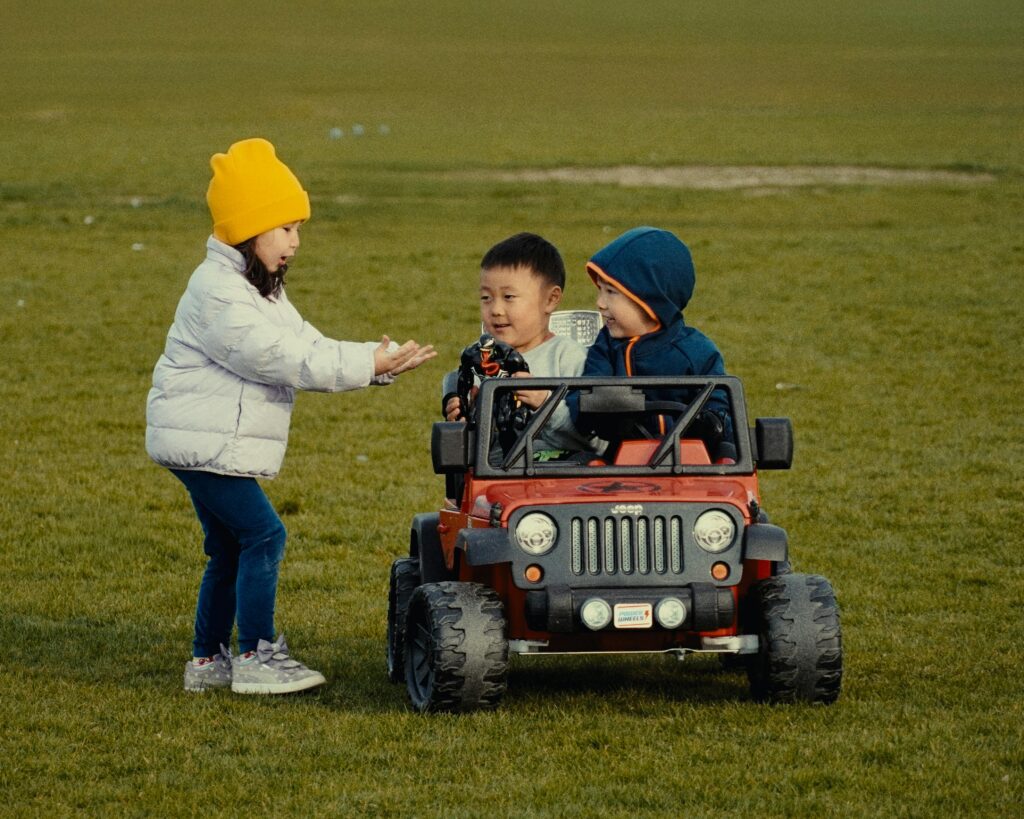
Empathy is more than just a buzzword—it’s a superpower that helps children build strong relationships, navigate challenges, and become compassionate individuals. The good news? Parents can nurture this skill in their children through everyday moments. No need for elaborate lessons or special tools—just your presence, attention, and a bit of creativity.
What Is Empathy, and Why Is It Important?
Empathy is the ability to understand and share the feelings of another person. It’s foundational for emotional intelligence and social success. Children who develop empathy tend to have better relationships, perform better academically, and show greater resilience in the face of adversity.
Everyday Opportunities to Teach Empathy
You don’t need to set aside special time to teach empathy. Everyday moments provide rich opportunities to model and nurture this skill.
1. Emotion Charades
Turn a game of charades into an emotion-expressing activity. Write down various emotions on pieces of paper, fold them, and place them in a bowl. Take turns drawing a paper and acting out the emotion without using words. This helps children recognize and understand different emotions.
2. Role-Playing Scenarios
Create scenarios where your child can practice empathy. For example, “Imagine your friend lost their favorite toy. How would you comfort them?” Role-playing helps children put themselves in others’ shoes and think about appropriate responses.
3. Reading Books with Emotional Themes
Choose books that explore emotions and discuss the characters’ feelings. Ask questions like, “How do you think the character felt when that happened?” This encourages children to think about others’ perspectives.
4. Daily Check-Ins
To begin with, make it a habit to ask your child about their day and how they felt. Next, use open-ended questions like, ‘What made you happy today?’ or ‘Was there anything that made you feel upset?’ This way, you show your child that their feelings are important and help them articulate their emotions.
5. Modeling Empathy
Children learn by observing. Demonstrate empathetic behavior in your interactions with others. For instance, if a neighbor is feeling down, express concern and offer help. Your child will learn how to respond empathetically by watching you.
Tips for Parents
- Be Patient: Firstly, developing empathy is a gradual process. Celebrate small steps and be patient with setbacks.
- Create a Safe Environment: Encourage open discussions about feelings without judgment.
- Provide Opportunities for Practice: Engage in activities that allow your child to practice the skill, such as volunteering or helping a neighbor.
- Praise Empathetic Behavior: Finally, acknowledge and praise your child‘s empathetic actions to reinforce positive behavior.
Takeaway
Teaching empathy doesn’t require special programs or elaborate plans. Instead, by being present, validating emotions, and modeling empathetic behavior, parents can instill this vital skill in their children. After all, it’s the small, everyday moments that often have the most significant impact.
If you want to explore more ways to teach empathy and nurture emotional intelligence in your children, check out Mirai Minds. At Mirai Minds, our programs combine storytelling, role-playing, and collaborative projects to make learning fun and practical. So, by joining us, you can help your child become a compassionate, confident, and socially aware individual.