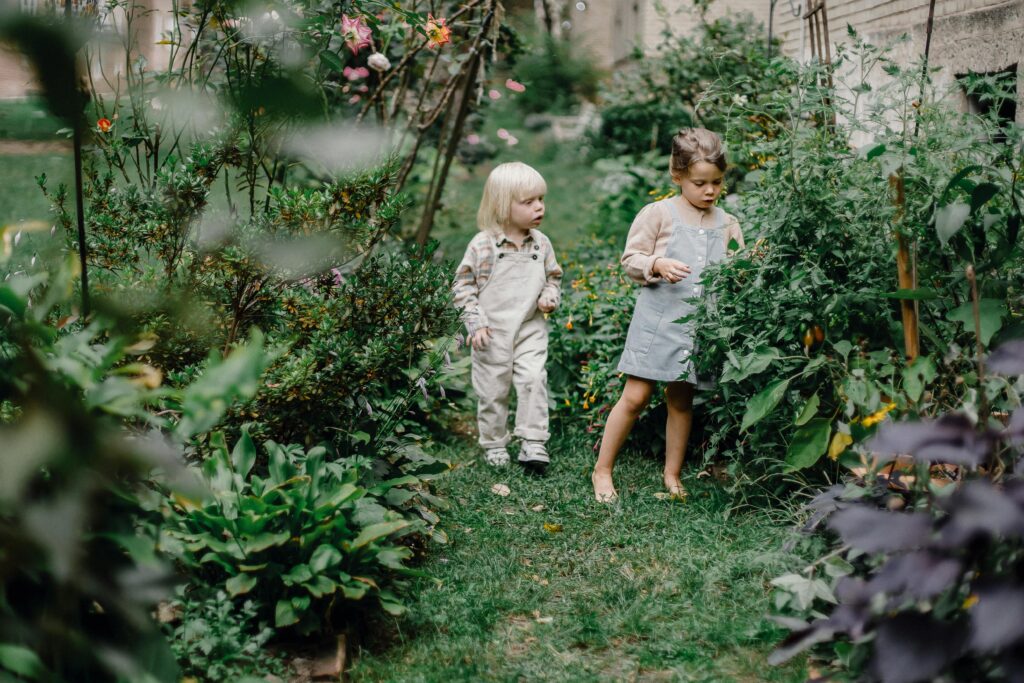
Curiosity in child development is not just a trait. It is the engine that powers how children learn, think, and grow. Imagine a toddler staring at a trail of ants, utterly absorbed. Or a school-aged child who just cannot stop asking “why?” even when everyone else in the room has moved on. These moments are not distractions from learning. They are learning in its purest form.
The Brain on Curiosity
Neuroscientists have found that curiosity triggers the brain’s reward system, flooding it with dopamine. This does not just make children feel good. It puts their brains into an optimal state to absorb new information.
A well-known 2014 study by Dr. Matthias Gruber and colleagues showed that when children are curious, they retain information more effectively, even about topics unrelated to what first sparked their curiosity. Curiosity helps the brain learn more, and learn better.
Why Curiosity Shapes Development
Curiosity in child development is strongly linked to several key growth areas:
- Cognitive Growth: Children who explore and experiment develop better problem-solving and critical thinking skills.
- Language Development: Asking questions builds vocabulary and communication skills.
- Social-Emotional Development: Wondering about others’ experiences fosters empathy and emotional intelligence.
Psychologist Susan Engel calls curiosity “the engine of intellectual achievement.” Without it, learning becomes mechanical. With it, learning becomes joyful and self-driven.
A Classroom Full of Questions
Picture two classrooms.
In one, children sit quietly, copying notes from the board.
In the other, hands shoot up mid-lesson, conversations spiral into unexpected territory, and a teacher encourages students to find out more.
The second classroom might look chaotic, but research shows this is where deeper learning happens. When curiosity is encouraged, children are not just memorizing. They are connecting, questioning, and building understanding that sticks.
Nurturing Curiosity in Everyday Life
Curiosity is a mindset, not a one-time lesson. Parents and educators can create environments that keep that spark alive by:
- Creating safe spaces where children feel free to ask questions
- Following their interests and letting them lead the way sometimes
- Modeling curiosity by showing excitement for new ideas, even as adults
- Allowing trial and error so mistakes become part of the discovery process
- Leaving room for unstructured play and exploration
Even small shifts like pausing before giving an answer or turning a question back to a child can turn curiosity into a habit.
The Long-Term Impact
Curiosity in child development predicts better academic outcomes, resilience, and adaptability later in life. Children who grow up in curiosity-friendly environments are more likely to become adults who innovate, problem-solve, and approach life with openness rather than fear.
Curiosity is not an interruption to “real learning.” It is the spark that makes learning stick. The next time a child asks “why,” resist the urge to move on quickly. It might just be the start of their next big discovery.
Join Our Afterschool Programs!
At Mirai Minds, we design programs that put curiosity in child development at the center of learning. Our workshops, camps, and educator training sessions create spaces where questions are celebrated and exploration becomes second nature.
If you want to nurture a generation of thinkers, innovators, and lifelong learners, connect with Mirai Minds today and let us turn every “why” into a pathway to growth.