How Parents Can Help Children Develop Emotional Resilience
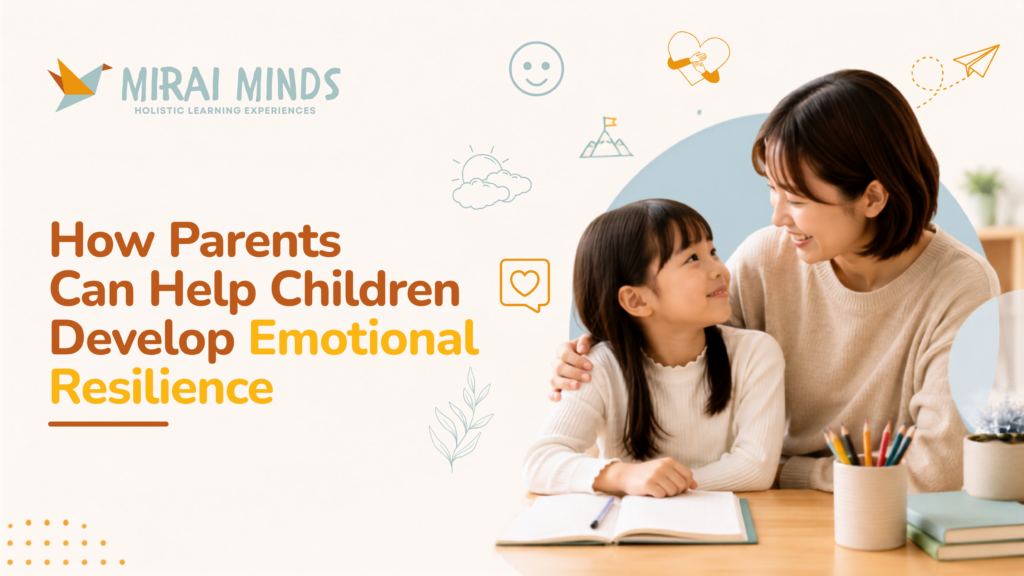
Emotional resilience is a child’s ability to manage difficult emotions, cope with setbacks, and recover from challenging experiences. It helps children handle frustration, disappointment, and change in healthier ways. Parents play an important role in developing emotional resilience by providing guidance, encouragement, and opportunities for children to practise managing their feelings.
Help Children Understand Their Emotions
Children may struggle to express what they feel or understand why they feel a certain way. Encourage them to identify their emotions and talk about them openly. When a child feels upset or frustrated, listen patiently rather than dismissing their feelings. Acknowledging emotions helps children understand that difficult feelings are normal and can be managed.
Teach Healthy Ways to Manage Emotions
Children need practical ways to respond when emotions become overwhelming. Teach them simple strategies such as taking slow breaths, pausing before reacting, or talking about what is bothering them. Encourage children to practise these techniques regularly, not just during difficult moments. Over time, they can become better at calming themselves and responding to challenging situations.
Support Children Through Setbacks
Disappointments and mistakes are a natural part of growing up. Instead of immediately trying to fix every problem, help children work through their experiences. If they feel disappointed after losing a game or struggling with a task, give them time to express their feelings. Reassure them that setbacks are part of life and that one difficult experience does not define their abilities.
Create a Supportive Environment
Children are more likely to develop emotional resilience when they feel safe, understood, and supported. Make time to listen to their concerns without judgment and reassure them that asking for help is acceptable. Consistent routines and clear expectations can also provide a sense of security, helping children feel better prepared to manage uncertainty and change.
Be a Positive Role Model
Children observe how their parents respond to stress, frustration, and disappointment. Demonstrate healthy ways to manage your own emotions, communicate calmly, and approach problems constructively. When appropriate, explain how you handle a difficult situation so children can learn from your example.
Developing emotional resilience takes time, patience, and practice. By helping children understand their emotions, cope with setbacks, and manage difficult experiences, parents can give them valuable skills for everyday life. With consistent support and encouragement, children can gradually become more confident in handling their emotions and navigating challenges.